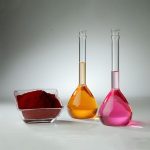
Having a fascinating history, Cochineal- named Dactylopius Coccus costa in Latin and the source of carmine red- has been used since ancient times.
It has been applied for coloring of textiles, paints, foods, cosmetics and medicine for thousands of years. It is the most important parasite for the production of considerable amounts of carminic acid.
Therefore carmine is currently used for the production of a wide range of foodstuffs especially meat products because it has some technological advantages over other natural colors for meat products. In particular, its heat stability is crucial for the production of heated products.
Originating in the Americas, cochineal, along with gold and silver, was considered by the Spanish as one of the great treasures of the New World. During the 16th-18th centuries, cochineal was shipped by the tons back to Spain and from there, to many regions in the world. While the vast majority was used for textiles, it also was used by artists in paint glaze and pigments. Today, it is one of Peru’s largest exports.
The Dactylopius coccus costa is source of one of the few red colorants to resist degradation with time, and also one of the most light- and heat-stable and oxidant-resistant of all the natural organic colorants. It is even more stable than most synthetic food colors.
This little warrior from nature offers magic with little to no direct ecological footprint compared to other reds, whose cultivated processing can require fertilizers, pesticides, prime land usage, and significant amount of water. On the other hand, the natural habitat of our hero is desert to semi-desert in underdeveloped areas, with cactus as its host. Cochineal´s carminic acid is the ideal candidate for the food industry to compensate, in an eco-friendly way, for color variations and loss due to lights, extremes of temperature, moisture, and storage conditions in its capricious marketing view.
After taking into consideration dietary practices, religious beliefs and dealing with possible (and very sporadical) allergies the same way as any other allergen, cochineal, with today´s industrial challenge of feeding the world without destroying the planet, could contribute to the increasing food colorant additive demand in a responsible way.
The key drawback, which is psychological, would be the cochineal´s major challenge- the insect´s sourced factor, mostly driven by a lack of knowledge, custom and information by general public.
Every trend has its consequences for the global environment. The current pace of food consumption calls for better understanding of the issues rather than a simple impulse or disgust for alternative solutions. Above all, we must make sure that the other options on table avoid becoming part of the problem, by taking into consideration arable land, water depletion, carbon footprint and other key factors.
Leer más